

Best GST Courses Online for Students and Freshers


30-Second Summary
If you are a student or a fresher trying to enter the accounting or finance world, learning Goods and Services Tax is almost non-negotiable now. Businesses need people who understand tax compliance, tax filing, and digital accounting tools. A well-structured GST Course can help you build those skills early. The right certification program not only teaches theory but also practical filing, compliance rules, and working with tools like TallyPrime. Some learners even go a step further and pursue a GST practitioner course to build specialised expertise and career opportunities.
Why GST Skills Matter So Much Today
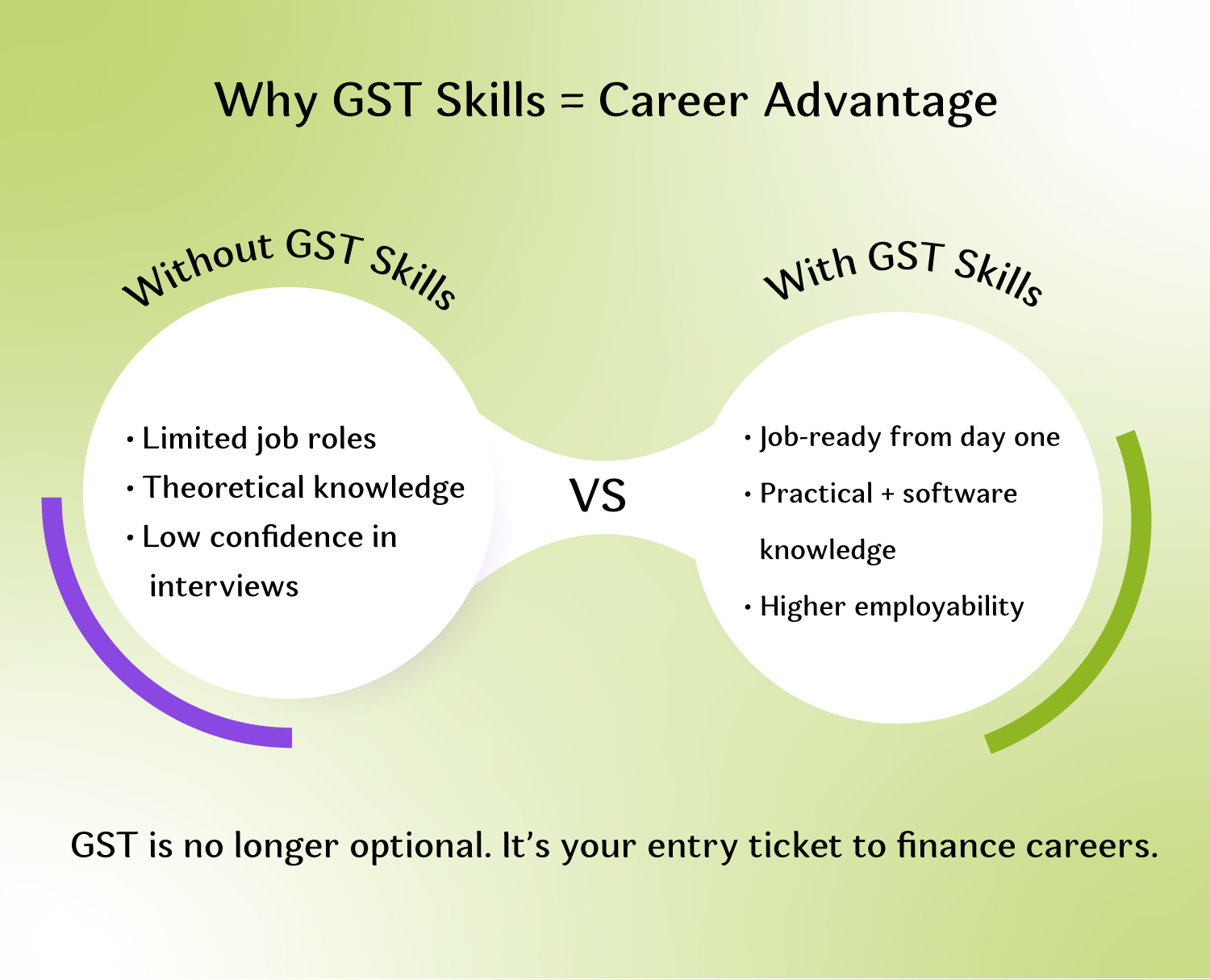
Let me ask you something. If every business in India needs to file Goods and Services Tax returns, manage invoices, and stay compliant with tax rules, who actually does that work? Accountants, tax consultants and finance executives. And increasingly, young professionals who learned taxation before stepping into their first job. That is why many students today look for a GST Course while they are still studying or right after graduation. Today, employers want someone who knows how taxes work in the real world. They want someone who can prepare invoices, file returns, understand input tax credit, handle compliance requirements and most importantly, someone adept in accounting software. A practical GST certification course turns classroom accounting into real work skills and makes a big difference when you walk into your first interview.
If you want to explore a structured course that teaches taxation with practical accounting tools, you can learn more here:
https://tallyeducation.com/tepl/online-courses/tallyprime-with-gst-fundamentals/
What Makes a Good GST Course for Students and Freshers?
Not every online platform is designed for beginners. Some courses jump straight into complicated tax rules. Others only explain theory without practical work. For students and freshers, the best courses usually follow a slightly different approach.
1) Practical GST Learning
You probably already studied indirect taxes in college. But theory alone does not help much when you sit in front of accounting software.
A good certification course should teach things like: How invoices are created, how purchase and sales entries work, how returns are filed, how input tax credit is calculated and how businesses maintain compliance. These are everyday tasks in an accounting job. Learning them early gives you confidence.
2) Software Skills Matter
Nowadays, businesses use accounting software to calculate taxes. That is why many modern GST Course programs include training in tools like TallyPrime. When you learn taxation together with software, things start making sense faster. You are not just memorising rules. You are actually doing the work.
3) Structured Curriculum
A well-designed course usually covers taxation step by step. First, you understand the basics of GST structure in India. Then you move to registration and invoicing. Later, you learn returns, compliance rules, and reporting. This gradual approach helps students understand taxation without feeling overwhelmed.
Soft Reminder Before You Go Further
If you are thinking about building a career in accounting, taxation, or finance, it might be worth exploring a structured certification course early. It saves you time later. And it makes interviews a lot less stressful.
You can explore the TallyPrime with GST Fundamentals course here:
https://tallyeducation.com/tepl/online-courses/tallyprime-with-gst-fundamentals/
Types of GST Courses Students Can Choose
Here is where things get interesting. Not all learners want the same level of GST knowledge. Some students just want basic tax understanding. Others want to specialise and work directly in taxation. So, GST training usually comes in three broad levels.
1.Basic GST Course
This type of GST Course is perfect for beginners. It introduces the structure of Goods and Services Tax in India and explains how businesses manage GST compliance.
Students typically learn: GST fundamentals, registration process, Types of taxes, Basic return filing, invoices and documentation. For someone starting their career, this level is often enough to enter junior accounting roles.
2.GST Certification Course
A certification course usually goes deeper. Instead of just understanding rules, you start working with real business scenarios. You might learn: Input tax credit calculations, multiple return types, reconciliation processes, reporting and practical accounting entries, among others. Employers like candidates with this type of certification because it signals practical job readiness.
3.GST Practitioner Course
Now this is where specialisation begins. A GST practitioner course prepares professionals to handle compliance work for multiple clients or businesses.
These courses usually focus on:
- Advanced GST compliance
- Complex return filing
- Tax advisory work
- Handling GST audits
- Managing client accounts
Some learners pursue this after gaining work experience in accounting or finance.
Career Opportunities After Learning GST
Let us talk about the practical side. What actually changes after completing a GST Course? Quite a bit, actually. Many entry-level roles in finance now expect taxation knowledge. Students who complete a certification course often apply for roles like Accounts Executive, GST Assistant, Tax Analyst, Junior Accountant, and Billing Executive. Small and medium businesses especially prefer candidates who can manage both accounting and GST filing.
And if you go further and complete a GST practitioner course, new opportunities open up. You could work as a tax consultant. You could handle GST filings for multiple clients. You could even start your own tax advisory practice later. Not bad for a skill that can be learned in a few months, isn’t it?
Why Online GST Courses Work Well for Freshers
A few years ago, tax training meant classroom coaching. Now things look a little different. Online learning has made GST training accessible for students across India. And honestly, it works surprisingly well.
1) Flexible Learning
Students can learn at their own pace. Some finish lessons after college hours. Others study on weekends. This flexibility makes learning easier to manage alongside academics.
2) Updated Content
GST rules change frequently. Online platforms can update lessons quickly, which keeps learners aligned with current regulations.
3) Practical Demonstrations
Many online courses now include real accounting demonstrations, software practice, and case studies. This hands-on exposure helps students understand how GST works inside businesses.
Thinking About Learning GST?
If you want to build practical accounting skills and understand GST compliance from the ground up, you can explore the TallyPrime with GST Fundamentals course here:
https://tallyeducation.com/tepl/online-courses/tallyprime-with-gst-fundamentals/
The course focuses on real accounting scenarios, GST transactions, and practical training using Tally. For many freshers, that combination makes the learning experience much more useful.
How to Choose the Right GST Course
Students often ask this question. There are hundreds of GST courses online. How do you pick the right one? A few simple checks usually help.
1) Look for Practical Training
Courses that include accounting software practice tend to deliver better job outcomes. You should be able to perform GST entries, generate invoices, and file returns during the training.
2) Check Industry Relevance
The course should match what companies actually do. That means exposure to real GST documentation, return formats, and compliance processes.
3) Certification Matters
Completing a recognised GST certification course adds credibility to your resume. It signals to employers that you invested time in developing professional skills.
4) Career Support
Some training providers also offer placement guidance or career counselling. For freshers entering the job market, this support can be valuable.
A Final Thought
Sometimes career decisions feel complicated. Students wonder whether they should focus only on their degree or start learning practical skills early. From what I have seen, the students who do both tend to move ahead faster. Learning GST while you are still studying builds confidence. It prepares you for real accounting work. And it makes your resume stand out in a crowded job market. If you are curious about how Goods and Services Tax works in real business environments, exploring a structured GST Course might be a good place to start.
You can learn more about the TallyPrime with GST Fundamentals program at
https://tallyeducation.com/
Take a look. Read through the curriculum. See if it fits where you want to go next.
FAQs About GST Courses
Question 1: Who should take a GST Course?
Answer: Students studying commerce, finance, or accounting often benefit the most. Fresh graduates who want to enter accounting or taxation roles also find these courses useful.
Question 2: Is a GST certification course useful for beginners?
Answer: Yes. Many courses are designed specifically for beginners and explain GST step by step, along with practical examples.
Question 3: How long does it take to complete a GST Course?
Answer: Most beginner-level courses take a few weeks to a few months, depending on the depth of training and practical modules included.
Question 4: What is the difference between a GST certification course and a GST practitioner course?
Answer: A GST certification course focuses on practical GST skills for accounting jobs. A GST practitioner course goes deeper and prepares professionals to handle GST work for multiple clients or businesses.
Question 5: Can students learn GST online?
Answer: Yes. Many training programs offer online GST courses that include software demonstrations, case studies, and practical exercises.